Lesson 1Finishing details: rubbing out, satin vs. gloss levels, burnishing, waxing and buffingExplore how to refine cured finishes through rubbing out, control shine from satin to gloss, and master burnishing, waxing, and buffing ways that boost clarity, depth, and touch feel without cutting through.
Levelling cured finishes before rub-outRoughs and lubes for rubbing outManaging satin, semi-gloss, and gloss levelsBurnishing ways for edges and high spotsWax pick, application, and buffing methodsLesson 2Hardware reinstallation and stabilizing moving parts, final alignment and drawer fit adjustmentsRefit hardware and steady moving parts by aligning hinges, pulls, and locks, tuning drawer and door fit, and fixing twist or stick so the fixed piece works smooth and safe in daily use.
Cleaning and lubing original hardwarePositioning and piloting for new screwsAligning doors, hinges, and catchesAdjusting drawer runners and slidesSteadying wobbly legs and moving partsLesson 3Finish removal options: chemical strippers (types, dwell time), heat gun methods, solvent sanding — techniques to avoid veneer damageCompare finish removal ways, including chem strippers, heat guns, and solvent-aided sanding, stressing wait times, neutralising, and scraper control to avoid veneer harm, raised grain, or base softening.
Checking existing finish and base risksPicking between solvent and caustic strippersControlling wait time and safe scrapingHeat gun use without scorching veneerNeutralising remains before refinishingLesson 4Surface preparation and sanding sequences: grit progression, feathering around veneer edges, avoiding over-sandingBuild a strict sanding workflow that respects veneers and shapes, using right grit order, blending around thin areas, and avoiding over-sanding that can cause waves, burn-through, or loss of sharp design details.
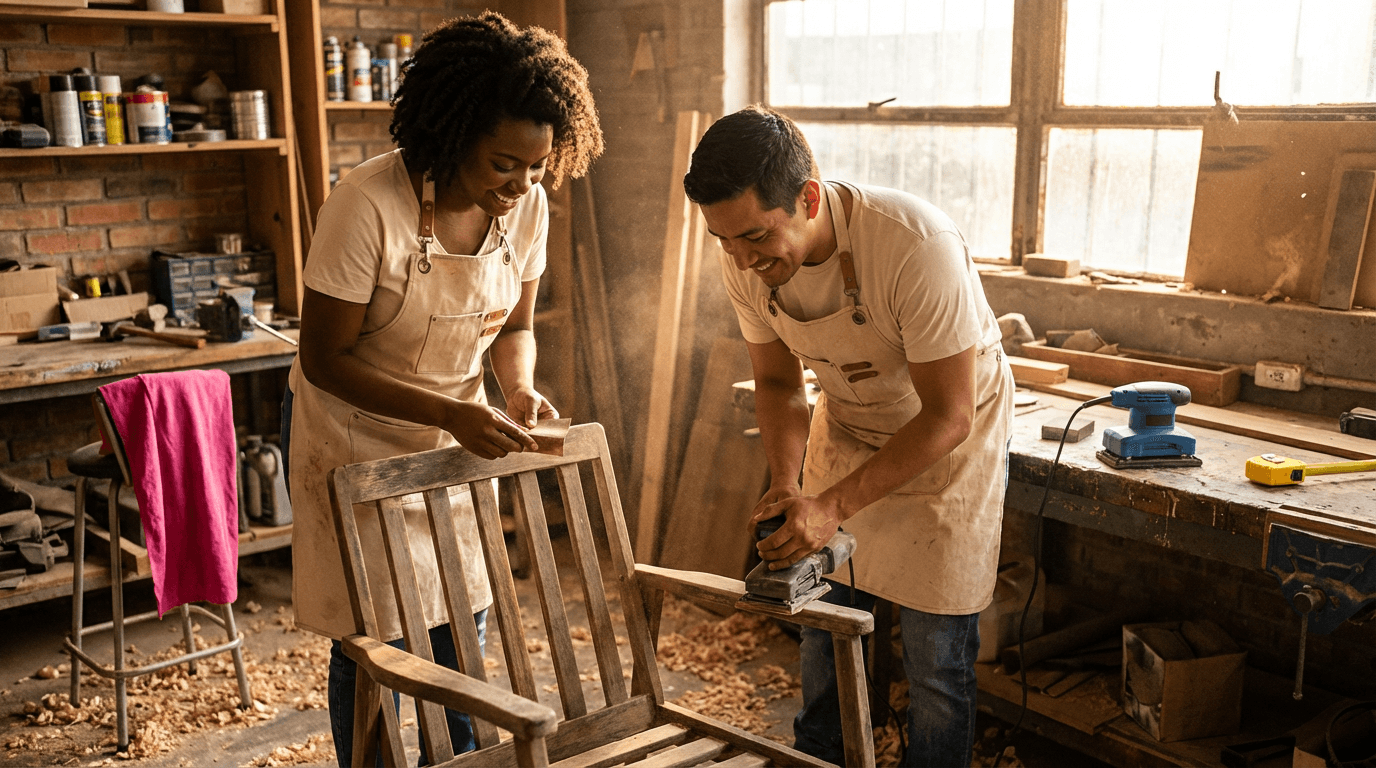
Planning grit order by wood and finishHand vs machine sanding and pad pickBlending near veneer edges and inlaysKeeping shapes, beads, and carvingsSpot fixes without showing patchesLesson 5Client handover: long-term care, humidity recommendations, cleaning products to avoidPrep clients for long success by explaining real wear hopes, wet and light advice, safe clean routines, and goods to dodge, while recording finishes and giving clear written care guides.
Explaining real wear and upkeepWet, temp, and light guidesApproved cleaners and goods to avoidWritten care sheets and finish recordsScheduling follow-up checks and touch-upsLesson 6Repairing structural issues: regluing joints with hide glue, reinforcing weakened substrates, re-screwing and doweling protocolsLearn to spot and fix loose or failed joints using hot hide glue, steady weak bases, and apply right re-screw and dowel ways that respect original build while restoring full strength.
Checking loose joints and failed gluesPrep and heating traditional hide glueRegluing mortise-and-tenon and dowel jointsSteadying weak bases and railsRe-screwing, plugging, and redrilling waysLesson 7Coating application: number of coats, dry times, sanding between coats, humidity and temperature controlGain control over coat application by planning coat counts, film build, and dry times, sanding between coats, and managing shop wet and temp so finishes cure right, stay fault-free, and hit wanted shine.
Planning coat number and target film buildBrushing, wiping, and spraying waysFlash, recoat, and full cure time manageSanding between coats for stick and levelWet, temp, and dust controlLesson 8Preparation: cleaning methods for greasy grime, protein stains, and surface dirt; masking and protecting non-wood partsMaster safe, full clean before refinishing by spotting greasy grime, protein stains, and stuck dirt, picking right solvents or soaps, and masking or guarding non-wood parts from wet and chem harm.
Spotting grime, wax, and protein remainsSoap, solvent, and emulsifier pickStep clean workflow and wait timesRinsing, drying, and stopping water harmMasking metal, upholstery, and glass partsLesson 9Applying a period-appropriate finish: choosing between shellac, oil/varnish blend, or wiping oils with rationaleLearn to pick and apply era-right finishes like shellac, oil and varnish mixes, or wiping oils, understanding their look, fixability, and history context to match the piece’s time and client hopes.
Reading style and era to guide finish pickShellac cuts, padding, and brushing waysOil and varnish mix mixing and wipingUsing wiping oils for subtle, low-build looksBalancing realness with strength needsLesson 10Filling chips and edge losses: reversible fillers, grain filling for open-grain species, color-matching techniquesUnderstand how to fill chips, edge losses, and open grain using reversible fillers and matching materials, then refine colour and feel with careful grain filling and colour-matching so fixes blend unseen with wood.
Picking reversible vs permanent fillersBuilding fills for edges and corner lossesGrain filling open-pore types evenlyShaping and sanding fills flush to surfacesColour-matching fills with stains and pigments