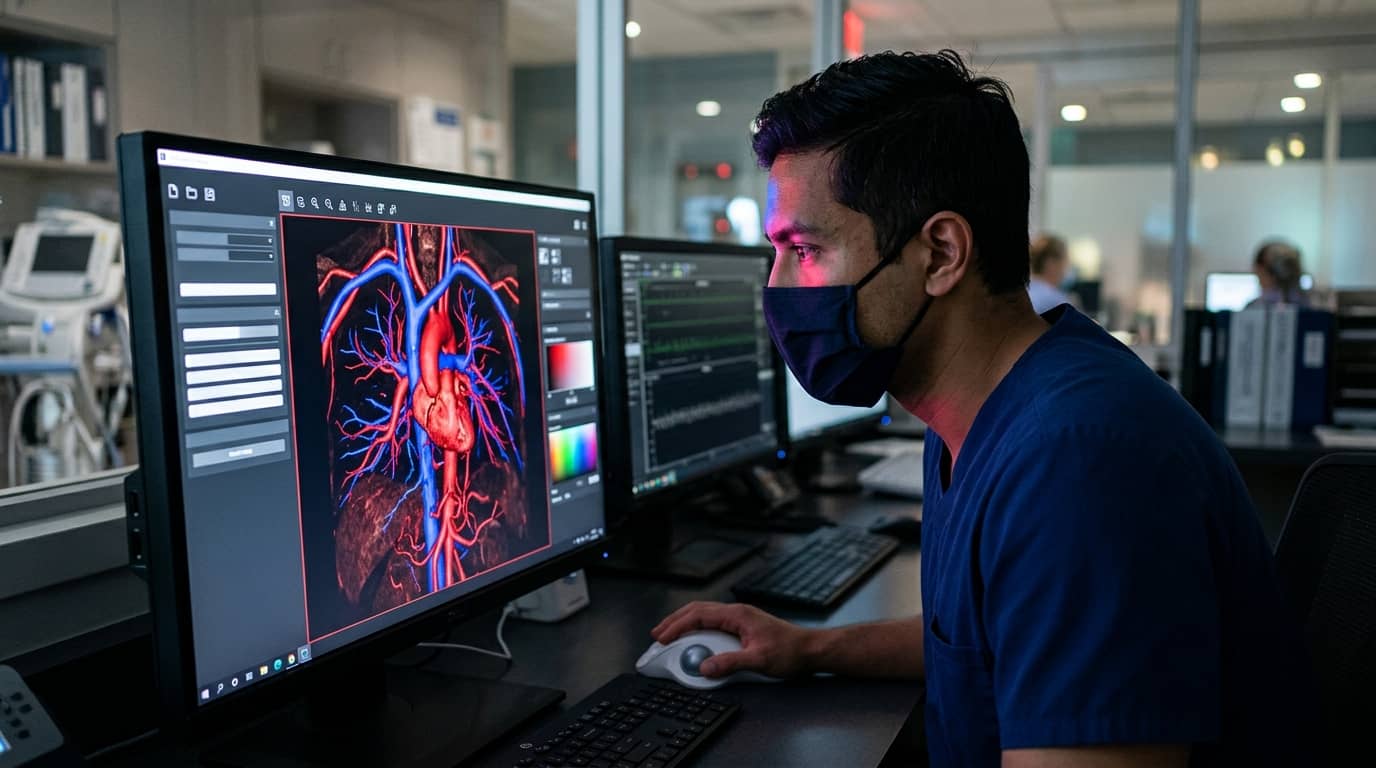
Lesson 1Indications for revascularisation: endovascular vs open surgery, patient selection, peri-procedural planning, and outcomesExplains when to think about revascularisation for leg pain when walking or severe limb lack of blood. Compares keyhole and open surgery options, choosing right patients, planning around procedures, and real expectations for keeping vessels open and leg function.
Indications in claudication versus CLIEndovascular techniques and devicesOpen surgical bypass principlesAnatomic and clinical selection factorsOutcome expectations and complication risksLesson 2Medical management: antiplatelet therapy, statins, antihypertensives, glycemic control — drug classes, example agents, targets, and evidence basisLooks at blood thinners, cholesterol meds, blood pressure drugs, and sugar control in leg artery disease. Covers goals, main studies, picking drugs with other illnesses, and ways to help patients stick to treatment while avoiding side effects.
Antiplatelet options and dosing in PADLipid lowering intensity and statin choiceBlood pressure targets and drug classesGlycemic control strategies in PADPolypharmacy, adherence, and monitoringLesson 3Ankle-brachial index (ABI): technique, interpretation, and limitations (including falsely elevated ABI)Step-by-step on measuring ankle-arm blood pressure index, preparing patients, and equipment. Covers reading results, issues like hardened arteries, and other tests when ABI doesn't work well or gives false high readings.
Patient positioning and cuff selectionDoppler probe placement and readingsABI calculation and cutoff valuesRecognizing falsely elevated ABIWhen to use TBI or other adjunct testsLesson 4Duplex ultrasonography for PAD: waveform analysis, peak systolic velocity ratios, and segmental localisationCovers ultrasound basics for leg arteries, scanning methods, and checking sections. Focuses on wave shapes, speed ratios, and spotting narrowings that affect blood flow properly.
Probe selection and patient positioningArterial mapping and segmental approachWaveform patterns in health and diseasePeak systolic velocity ratio criteriaReporting and documentation standardsLesson 5Advanced vascular imaging: CTA and contrast-enhanced MRA indications, protocols, and common artifactsDiscusses CT and MRI scans with dye for leg arteries, when to use, avoiding risks, and best methods. Reviews images, rebuilding them, and spotting false signs that look like or hide artery problems.
Patient selection for CTA versus MRAContrast use, dosing, and safety issuesAcquisition parameters and reconstructionRecognition of motion and metal artifactsStrategies to reduce artifacts and misreadsLesson 6Pathophysiology of atherosclerotic peripheral artery disease (PAD) and risk factorsExamines plaque buildup in leg arteries, how it worsens, and blood flow effects. Highlights body-wide risks, how they mix, leading to leg lack of blood and heart troubles.
Atherogenesis in peripheral arterial bedsEndothelial dysfunction and inflammationHemodynamic impact of stenosis and occlusionTraditional and emerging PAD risk factorsRisk factor clustering and global CV riskLesson 7Noninvasive functional tests: treadmill testing, toe-brachial index, and transcutaneous oxygen pressure (TcPO2)Outlines methods for walking tests, toe-arm index, and skin oxygen checks. Stresses standard ways, safety, reading levels, and how these help diagnose, predict, and pick treatments for leg artery issues.
Treadmill protocols and safety measuresTreadmill test interpretation in PADToe-brachial index technique and cutoffsTcPO2 measurement setup and calibrationFunctional tests in treatment decision-makingLesson 8Follow-up strategies for PAD patients: frequency, surveillance tests, wound care referral triggers, and secondary prevention metricsSets out regular check-up times after leg artery diagnosis or treatment. Covers monitoring tests, wound checks, when to refer, and tracking prevention to avoid leg loss and heart events.
Post-intervention surveillance schedulesUse of ABI and duplex in follow-upFoot exams and wound referral criteriaMonitoring risk factor control metricsPatient education and self-care plansLesson 9Exercise therapy and supervised walking programmes: prescription, expected benefits, and monitoringDescribes guided walking sessions, home exercises, and planned routines. Discusses how they help, timelines, when not to use, and tracking sticking to it, symptoms, and leg improvements.
Exercise prescription components in PADSupervised versus home-based programsMechanisms of improved walking distanceMonitoring symptoms and functional gainsContraindications and safety precautionsLesson 10Clinical presentation and differential diagnoses of intermittent claudication and critical limb ischaemiaClarifies usual signs of leg pain on walking and severe limb lack of blood. Distinguishes artery issues from nerve, muscle, or vein leg pains, guiding checks and quick referrals.
Typical intermittent claudication featuresSigns of critical limb ischemiaNeurogenic versus vascular claudicationMusculoskeletal and venous mimickersKey history and exam for differentiationLesson 11Acute limb ischaemia recognition and first 24–48 hour management: anticoagulation, vascular surgery consult, thrombolysis and embolectomy basicsCovers quick spotting of sudden limb blood block, bedside checks, and risk levels. Outlines starting blood thinners, scans, and working with surgeons for clot busters, removal, or urgent fixes.
Clinical classification of acute limb ischemiaBedside vascular exam and Doppler useInitial anticoagulation and monitoringIndications for urgent vascular consultBasics of thrombolysis and embolectomy