Clinical Neuropsychology Course
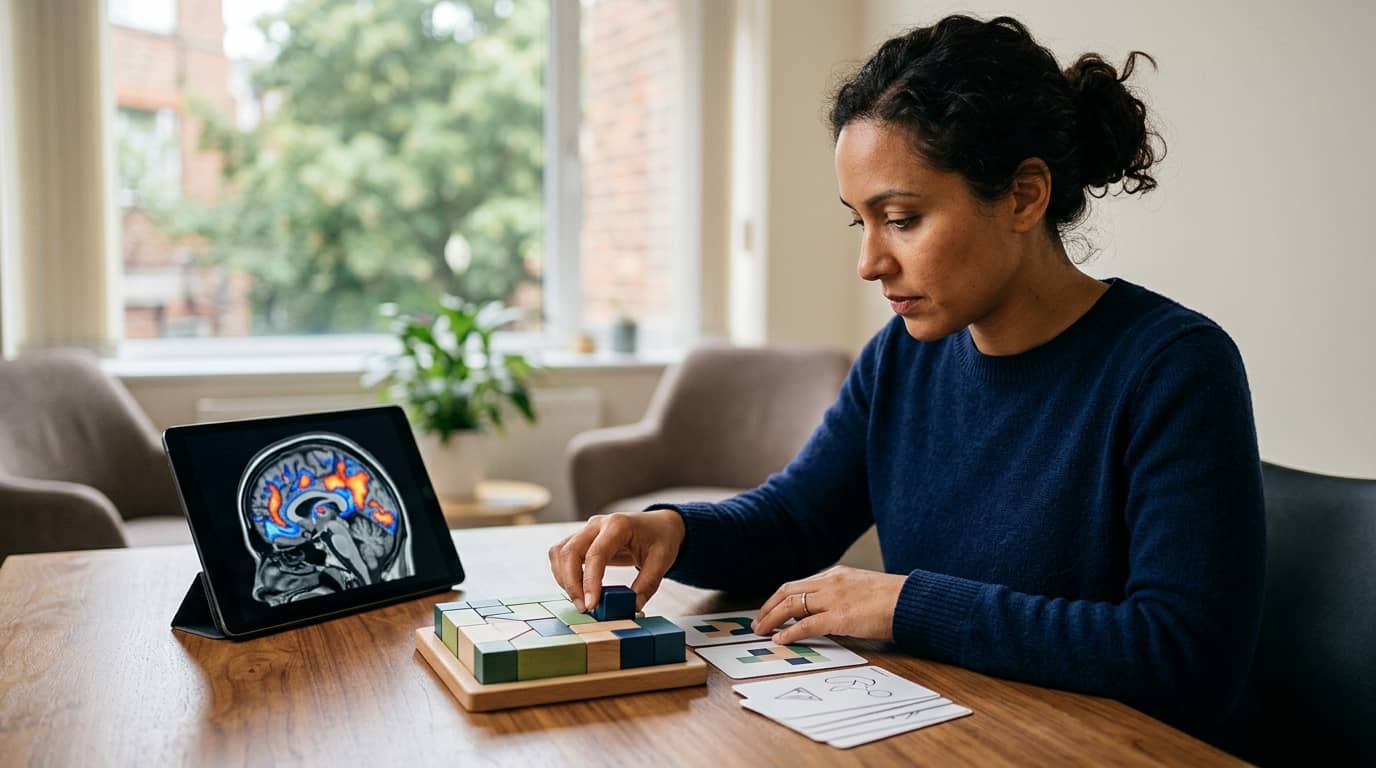
Master the full scope of clinical neuropsychology, from brain-behaviour relationships and cognitive assessment to differential diagnosis and report writing. This course equips psychology professionals with the theoretical foundations and hands-on clinical skills needed to evaluate, interpret, and communicate neuropsychological findings with confidence and precision.
from 4 to 360h flexible workload
valid certificate in your country
What will I learn?
You will build a comprehensive understanding of neuroanatomy, cognitive domains, and the major neuropsychological conditions encountered in clinical practice. You will learn to design and execute assessment plans using widely accepted test batteries, apply psychometric principles to score interpretation, and integrate validity testing into every evaluation. The course covers differential diagnosis across neurodegenerative, cerebrovascular, traumatic, and psychiatric conditions, as well as advanced topics including forensic applications, lifespan considerations, cultural competence, and neuroimaging literacy. You will also develop professional report writing skills and structured clinical reasoning strategies.
Elevify advantages
Develop skills
- Administer assessments: Select, administer, and score major neuropsychological test batteries accurately.
- Interpret profiles: Identify cognitive deficit patterns linked to specific neurological conditions and diagnoses.
- Evaluate validity: Detect non-credible performance using standalone and embedded validity indicators confidently.
- Write clinical reports: Produce clear, evidence-based neuropsychological reports with actionable recommendations.
Suggested summary
Before starting, you can change the chapters and the workload. Choose which chapter to start with. Add or remove chapters. Increase or decrease the course workload.What our students say
Your classes are perfect. I purchased the one-year package and finally have the opportunity to follow various topics of my interest without needing to change platforms... I thank you for everything you do, I've already recommended you to other people...

Giulio CarloDigital Marketing Student
I like how the lessons are straight to the point and how I can switch chapters and skip content I don't need.

Mariana FerresPhotography Student
I like the content and the way videos are presented and transcribed, which speeds up the process!

Luciana AlvarengaNail Design Student
The platform is fast, simple to use. The diversity of content and complementary videos help a lot with learning.

André FelipePrompt Engineering Student
FAQ
Who is Elevify? How does it work?
Do the courses have certificates?
Are the courses free?
What is the course workload?
What are the courses like?
How do the courses work?
What is the duration of the courses?
What is the cost or price of the courses?
What is an EAD or online course and how does it work?
PDF Course