


Cosmetic Dermatology Course
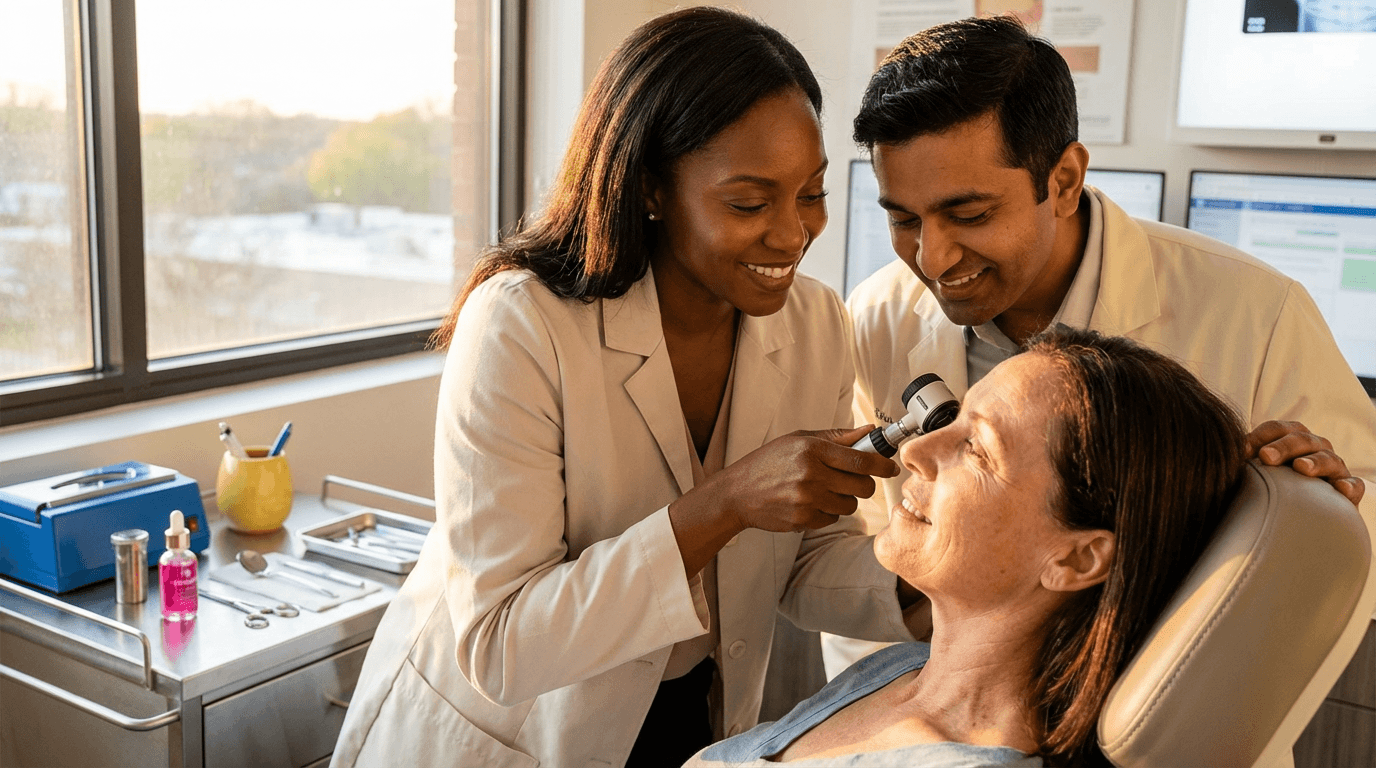
This course provides a concise, evidence-based approach to cosmetic dermatology procedures including injectables, peels, microneedling, and non-ablative devices, focusing on safe practices, patient assessment, and complication management.
from 4 to 360h flexible workload
valid certificate in your country
What will I learn?
This Cosmetic Dermatology Course gives a short, proof-based way to handle injectables, peels, microneedling, and non-ablative tools. Learn dosing, treatment planning, and handling problems like vascular blockage and PIH based on guidelines. Gain skills in checking patients, getting consent, recording details, and following up so you can create safe, natural results with confidence in daily work.
Elevify advantages
Develop skills
- Proof-based cosmetic plans: build safe, guideline-driven protocols quickly.
- Advanced injectable safety: prevent, spot, and handle filler and toxin problems.
- Targeted acne scar care: use peels and microneedling for PIH with little downtime.
- High-yield facial assessment: map anatomy, choose good patients, and stage care.
- Confident consent and follow-up: set expectations, document, and track results.
Suggested summary
Before starting, you can change the chapters and the workload. Choose which chapter to start with. Add or remove chapters. Increase or decrease the course workload.What our students say
Your classes are perfect. I purchased the one-year package and finally have the chance to follow several topics I'm interested in without having to switch platforms... I appreciate everything you do, I've already recommended you to others...

Giulio CarloDigital Marketing Student
I like how the lessons are straight to the point and how I can switch chapters and skip content I don't need.

Mariana FerresPhotography Student
I like the content and the way the videos are presented and transcribed, which speeds up the process!

Luciana AlvarengaNail Design Student
The platform is fast and easy to use. The variety of content and the extra videos really help with learning.

Giulio CarloPrompt Engineering Student
FAQ
Who is Elevify? How does it work?
Do the courses have certificates?
Are the courses free?
What is the course workload?
What are the courses like?
How do the courses work?
What is the duration of the courses?
What is the cost or price of the courses?
What is an EAD or online course and how does it work?
PDF Course