Lesson 1Fillers, anti-redeposition agents, and soil-release polymers: roles in keeping fabrics cleanExplores how fillers dilute and stabilize detergents, how anti-redeposition agents keep loosened soil suspended, and how soil-release polymers modify fiber surfaces to improve cleaning and prevent graying.
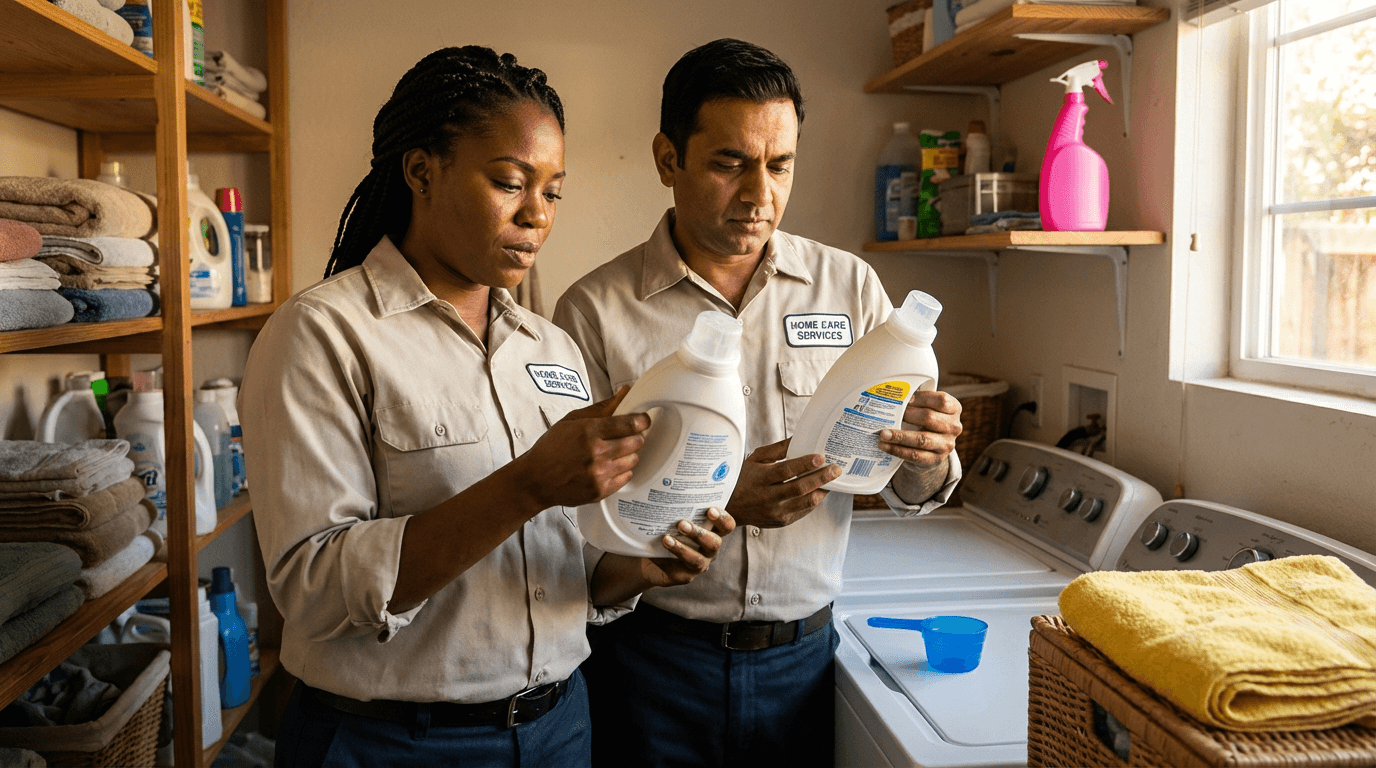
Roles of inert fillers in powder detergentsAnti-redeposition polymers and soil suspensionSoil-release finishes on polyester fabricsImpact on graying, dinginess, and whitenessFormulation limits and interaction with surfactantsLesson 2Interpreting product labels: active ingredients, concentration indicators, and safety statements (R- and H-phrases)Teaches how to read detergent and additive labels, focusing on active ingredients, concentration cues, hazard symbols, and precautionary phrases, enabling safer, evidence-based product comparison.
Identifying surfactants, builders, and enzymesConcentration indicators and dosing guidanceHazard pictograms and signal wordsH-phrases, precautionary, and warning textUsing label data to compare product strengthLesson 3Enzymes in detergents: protease, amylase, lipase, cellulase — functions and temperature/activity rangesDescribes key detergent enzymes, their target stains, and optimal conditions. Covers protease, amylase, lipase, and cellulase, including stability, temperature ranges, and fabric care implications.
Proteases for protein stains like bloodAmylases for starch-based food residuesLipases for oily and greasy soil removalCellulases for color renewal and fuzz removalEnzyme stability, pH, and temperature windowsLesson 4pH in detergents: alkaline vs neutral formulations and effects on soils and fibersExplores how detergent pH influences soil removal, dye stability, and fiber integrity. Compares alkaline and near-neutral systems, and explains buffering, rinsing behavior, and skin compatibility issues.
Typical pH ranges in powder and liquid detergentsAlkalinity and removal of fatty and protein soilsNeutral and mild pH for delicates and woolpH effects on dyes, finishes, and shrinkageRinse pH, skin comfort, and irritation riskLesson 5Bleaching agents: chlorine vs oxygen bleaches, safe use on cotton and syntheticsDetails chlorine and oxygen bleach chemistry, stain removal pathways, and whitening effects. Explains fabric compatibility, colorfastness testing, and safe use on cotton, synthetics, and blended textiles.
Oxidation mechanisms of common bleachesChlorine bleach uses, limits, and corrosion riskOxygen bleach for colors and delicatesTemperature and pH effects on bleach actionSafe dosing, mixing, and storage practicesLesson 6Fabric damage mechanisms: abrasion, pilling, fiber weakening from chemicals and temperatureExamines how washing actions, chemicals, and heat damage fibers over time. Details abrasion, pilling, color loss, and chemical weakening, and links these mechanisms to wash parameters and product choices.
Mechanical stress from drum motion and load sizePilling on cotton, wool, and syntheticsChemical hydrolysis and oxidation of fibersThermal damage from hot water and dryingBalancing cleaning power with fabric longevityLesson 7Optical brighteners and whiteners: chemistry, benefits, and risks to fabrics and skinCovers the chemistry of optical brighteners, how they absorb and emit light, and why they enhance perceived whiteness. Discusses fabric buildup, color shifts, and potential skin or environmental concerns.
Fluorescence and blue light emissionBrightener types used in detergentsDeposition on cotton vs syntheticsLong-term buildup and graying effectsAllergy, safety, and environmental aspectsLesson 8Builders and water softening agents: phosphates, zeolites, citrates, sodium carbonate — how they sequester hardness ionsExplains how builders and softeners bind calcium and magnesium, prevent precipitates, and boost surfactant efficiency. Compares phosphates, zeolites, citrates, and carbonates in modern detergent design.
Hard water ions and soap scum formationPhosphate builders and environmental limitsZeolites as ion-exchange softening agentsCitrate and carbonate as eco-friendlier optionsInteractions with surfactants and enzymesLesson 9Surfactants: types, mechanisms, and common examples (anionic, nonionic, cationic, amphoteric)Covers major surfactant classes, their molecular structure, and how they lower surface tension, emulsify oils, and remove particulate soil. Compares cleaning performance, foaming, and fabric or skin compatibility.
Hydrophilic–lipophilic balance and micelle formationAnionic surfactants for heavy soil removalNonionic surfactants for low-foam cleaningCationic surfactants and fabric conditioningAmphoteric surfactants and mild formulationsLesson 10Fragrances, preservatives, and sensitizers: common allergens and how they cause skin irritationAnalyzes fragrance, preservative, and sensitizing ingredients in laundry products. Highlights common allergens, exposure routes, and mechanisms of irritation, plus strategies for sensitive-skin users.
Fragrance types and encapsulated scent systemsCommon fragrance allergens and labeling termsPreservatives used in liquid detergentsContact dermatitis and sensitization pathwaysChoosing low-allergen or fragrance-free products