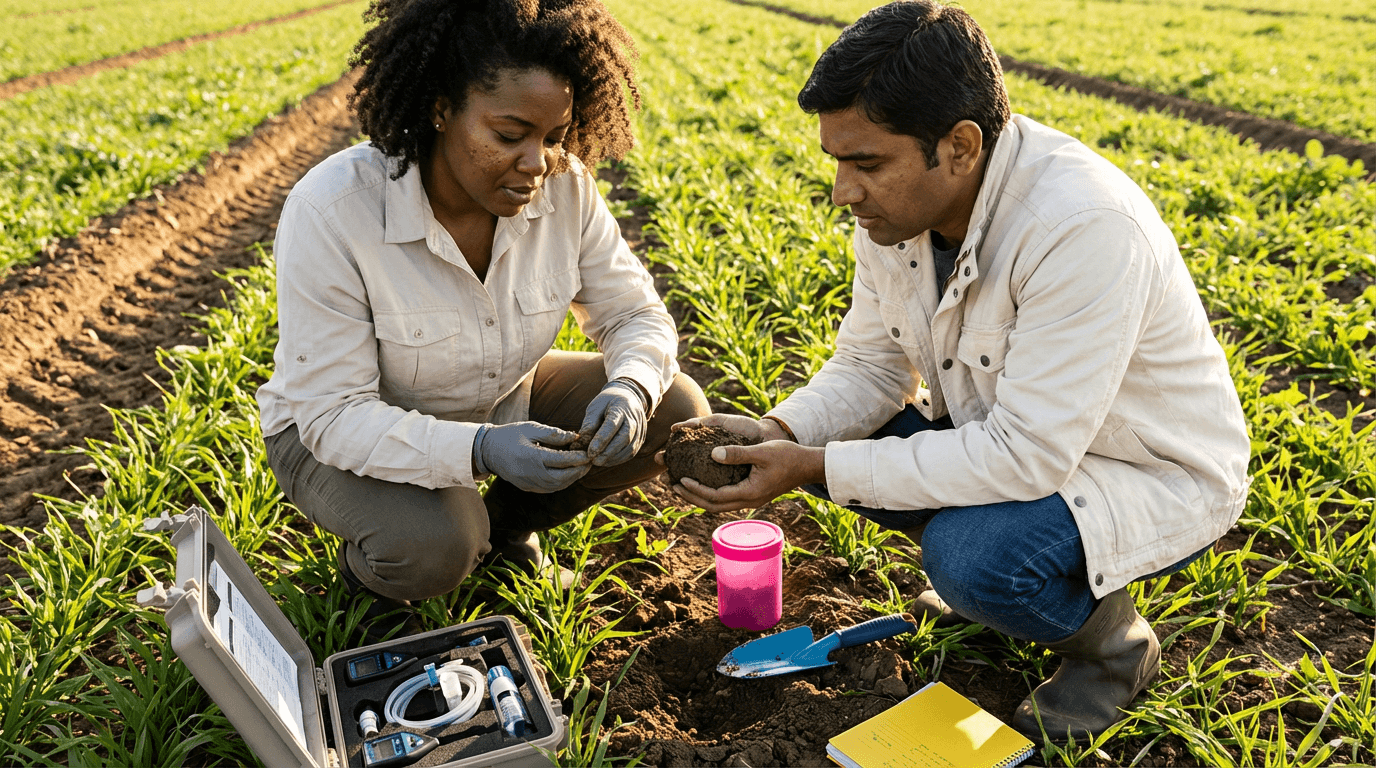
Lesson 1Reforestation and agroforestry options for steep or marginal land: species, shelterbelts, alley cropping basicsThis lesson looks at tree planting and agroforestry for poor or steep land. It covers plant picks, windbreaks, alley cropping, and how trees cut erosion while giving shade, homes, and goods.
Identifying marginal and erosion-prone areasChoosing tree and shrub species mixesDesigning shelterbelts and windbreaksAlley cropping layout and spacingIntegrating livestock with silvopastureLesson 2Gully repair and rill treatment: small-scale check dams, rock/log structures, vegetative stabilizationThis lesson tackles spotting and fixing rills and gullies early. It covers causes, small barriers, reshaping, replanting, and stopping repeats with better drains and cover.
Identifying causes of rills and gulliesDesigning small rock or log check damsReshaping gully banks and channel bedVegetative stabilization and mulchingUpstream runoff control and diversionsLesson 3Contour farming and contour buffer strips: layout principles, grade control, row orientation and expected erosion reductionThis lesson explains contour layouts to slow runoff and erosion. It covers mapping lines, row direction, buffer strips, slope control, and fitting machinery with contours.
Surveying and marking contour linesAligning crop rows with contour gradeDesigning contour buffer strip widthsManaging outlets and grade breaksEstimating erosion reduction benefitsLesson 4Rotational grazing and pasture management: stocking rates, paddock design, temporary fencing, exclusion zones near streamsThis lesson spotlights rotational grazing to guard soil and water. It covers animal numbers, paddock plans, temp fences, rest times, and keeping stream edges and wet spots graze-free.
Calculating carrying capacity and stocking rateDesigning paddock size and layoutUsing temporary fencing and lanesSetting rest periods and grazing heightsProtecting streams and wet spots from tramplingLesson 5Riparian buffer strips and stream protection: buffer width guidelines, species selection, bank stabilization techniquesThis lesson plans stream buffers to block dirt and plant food. It details width rules, plant layers, animal exclusion, and bank fixes for mixed crop-livestock farms.
Determining buffer width by slope and riskZoned buffer design and vegetation layersNative tree, shrub, and grass selectionLivestock exclusion and watering accessBank shaping, toe armor, and live stakingLesson 6Strip cropping and crop sequence design: alternating crop/bare strips, integration with corn/soy/vegetable rotationsThis lesson details strip cropping with crops or covers alternating bare or low-cover strips. It explains strip direction, width, sequencing, and fitting with maize, soy, veggie cycles.
Types of strip cropping arrangementsSetting strip width and field orientationSequencing corn, soy, and small grainsIntegrating vegetables into strip systemsCoordinating traffic lanes and headlandsLesson 7Grassed waterways and stabilized flow paths: design widths, species, establishment and maintenanceThis lesson shows how to plan, plant, and care for grass waterways and steady flow paths that carry runoff safely, cut rill and gully erosion, and fit farm work and drains.
Sizing waterway width and side slopesSelecting grass and legume speciesSite preparation and seeding methodsInlet, outlet, and culvert protectionMowing, repairs, and sediment removalLesson 8Cover cropping: species selection (rye, clover, radish), sowing windows, multispecies mixes, cover crop termination methodsThis lesson plans cover crops for erosion control and soil health. It covers plant traits, planting times, mixes, methods, and ending options that fit cash crops and grazing.
Selecting rye, clover, radish, and mixesTiming seeding after harvest or interseedingSeeding rates and equipment optionsGrazing and forage use of cover cropsTermination by herbicide, rolling, or tillageLesson 9Conservation tillage and residue management: strip-till, reduced tillage, no-till, surface residue targets and benefitsThis lesson covers tillage systems that keep crop leftovers on top. It compares strip-till, less till, no-till, sets leftover goals, and discusses gear setup, soil packing, and spread.
Comparing conventional and reduced tillageResidue cover targets by slope and soilStrip-till and no-till equipment setupManaging compaction and traffic patternsResidue distribution after harvestLesson 10Terracing and benching: types (grassed benches vs. structural terraces), siting on steep slopes, materials and construction basicsThis lesson introduces terracing and benches for steep crop fields. It covers types, spacing, water outlets, building basics, and upkeep while allowing machinery and good drainage.
Choosing terrace or bench typesDetermining terrace spacing and gradePlanning inlets, outlets, and waterwaysConstruction steps and common materialsInspection, maintenance, and repairs