Digestive Surgery Nursing Course
Take your surgical nursing practice to the next level with a comprehensive program built specifically for the digestive surgery environment. From preoperative assessment through postoperative complication management, this course equips you with the clinical skills and evidence-based knowledge that today's surgical units demand. Step into the OR, PACU, and ward with confidence.
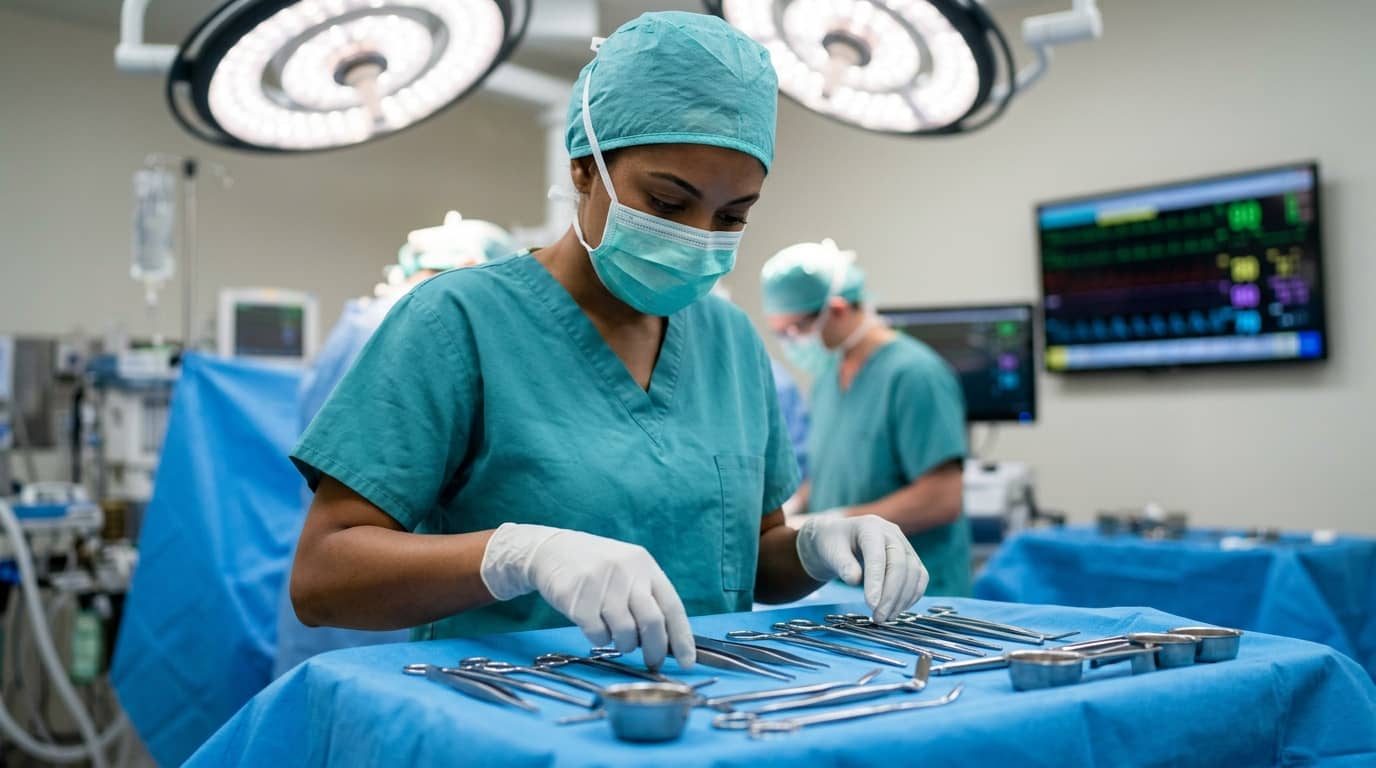
from 4 to 360h flexible workload
valid certificate in your country
What will I learn?
This course covers every phase of care for digestive surgery patients, starting with GI anatomy and common surgical pathologies and moving through preoperative assessment, intraoperative nursing roles, and postoperative recovery management. You will learn to implement Enhanced Recovery After Surgery protocols, manage ostomies and surgical wounds, and recognize life-threatening complications early. Pharmacology, nutritional support, endoscopy nursing, and oncology considerations are also addressed. Communication strategies and quality improvement frameworks round out your training, preparing you to function as a skilled, well-rounded digestive surgery nurse.
Elevify advantages
Develop skills
- Perioperative Assessment: Identify surgical risk factors and execute preoperative preparation protocols confidently.
- Complication Recognition: Detect early signs of anastomotic leaks, hemorrhage, and postoperative sepsis.
- Stoma and Wound Care: Manage ostomy appliances, surgical drains, and peristomal skin complications effectively.
- ERAS Protocol Implementation: Apply evidence-based enhanced recovery actions across the full perioperative continuum.
Suggested summary
Before starting, you can change the chapters and workload. Choose which chapter to start with. Add or remove chapters. Increase or decrease the course workload.What our students say
Your classes are perfect. I purchased the one-year package and finally have the opportunity to follow various topics of my interest without needing to change platforms... I thank you for everything you do, I've already recommended you to other people...

Giulio CarloDigital Marketing Student
I like how the lessons are straight to the point and how I can switch chapters and skip content I don't need.

Mariana FerresPhotography Student
I like the content and the way videos are presented and transcribed, which speeds up the process!

Luciana AlvarengaNail Design Student
The platform is fast, simple to use. The diversity of content and complementary videos help a lot with learning.

André FelipePrompt Engineering Student
FAQ
Who is Elevify? How does it work?
Do the courses have certificates?
Are the courses free?
What is the course workload?
What are the courses like?
How do the courses work?
What is the duration of the courses?
What is the cost or price of the courses?
What is an EAD or online course and how does it work?
PDF Course