Angiology (Vascular Medicine) Course
Master the full spectrum of vascular medicine, from foundational anatomy and hemodynamics to advanced endovascular interventions and anticoagulation management. This comprehensive angiology course equips clinicians with the diagnostic precision and therapeutic decision-making skills demanded by modern vascular practice.
from 4 to 360h flexible workload
valid certificate in your country
What will I learn?
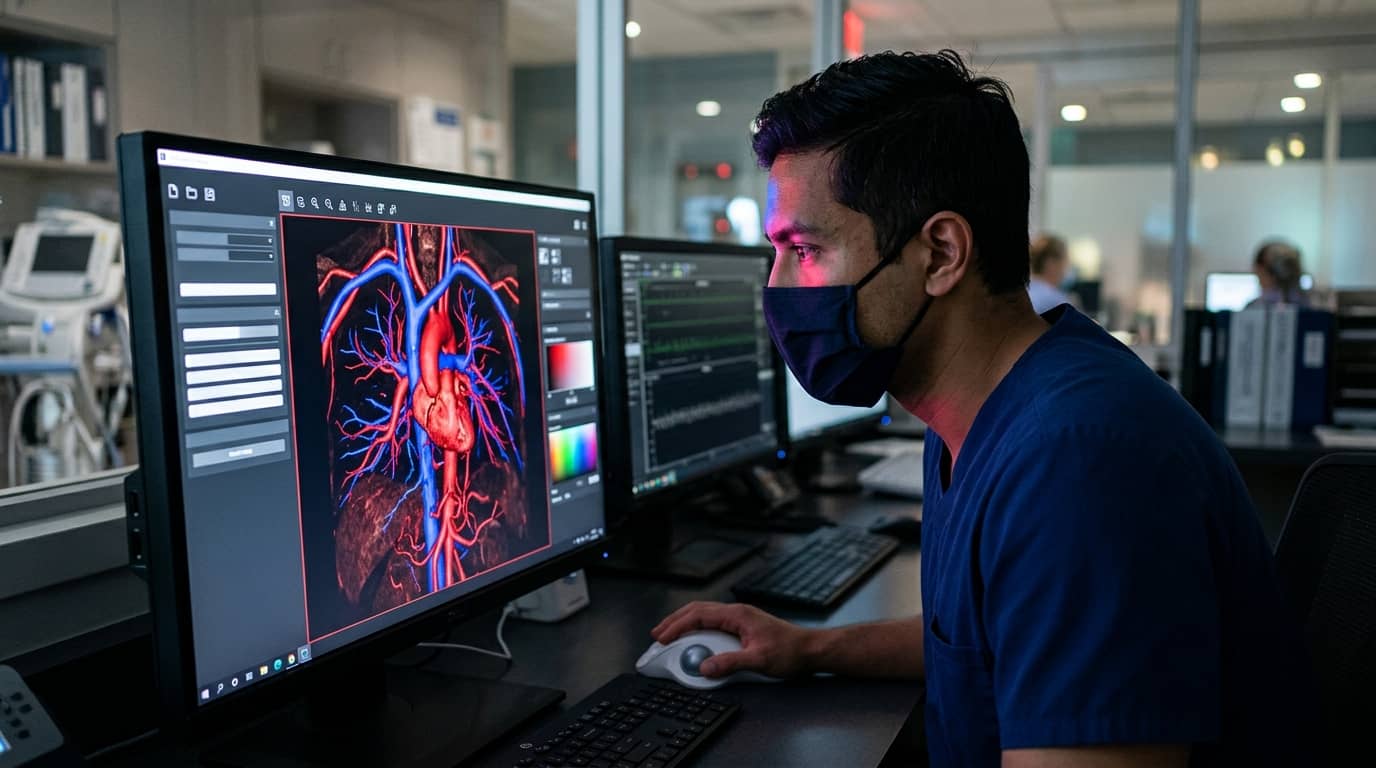
This course covers vascular anatomy, hemodynamics, and pathophysiology before advancing into clinical assessment, diagnostic imaging, and disease management. You will learn to evaluate peripheral arterial disease, venous thromboembolic disorders, aortic aneurysms, and carotid artery disease using current evidence-based protocols. Pharmacological management, wound care, and vascular ultrasound techniques are addressed in dedicated modules. Emerging technologies, including AI-assisted imaging and telemedicine tools, are examined alongside research appraisal methods to sharpen your critical thinking in clinical practice.
Elevify advantages
Develop skills
- Interpret Diagnostics: Select and analyze ABI, duplex ultrasound, CTA, and MRA findings confidently.
- Manage PAD: Formulate evidence-based treatment plans across all peripheral arterial disease stages.
- Assess Venous Disease: Diagnose DVT, pulmonary embolism, and chronic venous insufficiency systematically.
- Apply Hemodynamics: Use vascular physiology principles to evaluate pressure, flow, and stenosis severity.
Suggested summary
Before starting, you can change the chapters and workload. Choose which chapter to start with. Add or remove chapters. Increase or decrease the course workload.What our students say
Your classes are perfect. I purchased the one-year package and finally have the opportunity to follow various topics of my interest without needing to change platforms... I thank you for everything you do, I've already recommended you to other people...

Giulio CarloDigital Marketing Student
I like how the lessons are straight to the point and how I can switch chapters and skip content I don't need.

Mariana FerresPhotography Student
I like the content and the way videos are presented and transcribed, which speeds up the process!

Luciana AlvarengaNail Design Student
The platform is fast, simple to use. The diversity of content and complementary videos help a lot with learning.

André FelipePrompt Engineering Student
FAQ
Who is Elevify? How does it work?
Do the courses have certificates?
Are the courses free?
What is the course workload?
What are the courses like?
How do the courses work?
What is the duration of the courses?
What is the cost or price of the courses?
What is an EAD or online course and how does it work?
PDF Course