Hygiene and Cleanliness Training
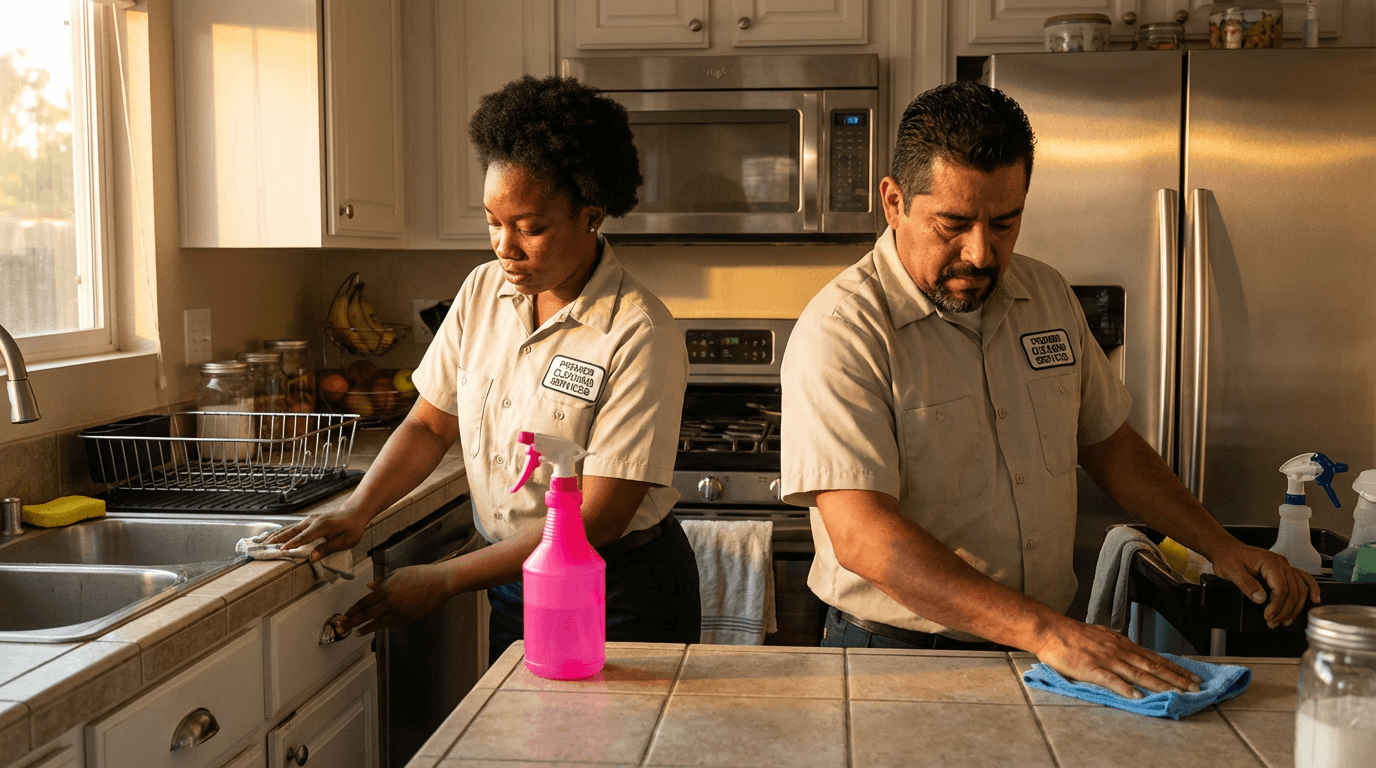
Master professional hygiene an' cleanliness skills fi domestic cleanin'. Learn safe disinfection, daily an' deep-clean routines, odour control, complaint handlin', an' checklists dat keep every room fresh, healthy, an' spotless fi yuh clients. Yuh wi get practical know-how fi maintain top standards inna all areas.
from 4 to 360h flexible workload
valid certificate in your country
What will I learn?
Dis Hygiene an' Cleanliness Trainin' gi yuh clear, practical steps fi keep restrooms, floors, kitchens, corridors, elevators, an' shared areas consistently sanitary an' fresh. Learn safe infection control, correct disinfectant use an' contact time, chemical handlin', PPE, waste management, an' deep-cleanin' routines, plus checklists, schedulin', an' troubleshootin' methods fi meet high hygiene standards every day.
Elevify advantages
Develop skills
- Infection control & PPE mastery: apply safe, professional cleanin' practices quick-quick.
- Daily an' deep-clean routines: run spotless restrooms, floors, glass, an' desks.
- Disinfectant contact time: use products correct fi proven germ kill every time.
- Complaint troubleshootin': solve odours, sticky floors, an' dust wid clear steps.
- Cleanin' operations plannin': build checklists, schedules, an' stock control.
Suggested summary
Before starting, you can change the chapters and the workload. Choose which chapter to start with. Add or remove chapters. Increase or decrease the course workload.What our students say
Your classes are perfect. I purchased the one-year package and finally have the opportunity to follow various topics of my interest without needing to change platforms... I'm grateful for everything you do, I've already recommended you to other people...

Giulio CarloDigital Marketing Student
I like how the lessons are straight to the point and how I can change chapters and skip content I don't need.

Mariana FerresPhotography Student
I like the content and the way videos are presented and transcribed, which speeds up the process!

Luciana AlvarengaNail Design Student
The platform is fast, simple to use. The diversity of content and complementary videos help a lot with learning.

André FelipePrompt Engineering Student
FAQ
Who is Elevify? How does it work?
Do the courses come with a certificate?
Are the courses free?
What is the course duration?
What are the courses like?
How do the courses work?
What is the course time?
What is the cost or price of the courses?
What is an EAD or online course and how does it work?
PDF Course