


industrial Safety Course
This course equips participants with essential skills for maintaining safety in industrial metal fabrication environments through hazard identification, procedure implementation, and risk management techniques.
from 4 to 360h flexible workload
valid certificate in your country
What will I learn?
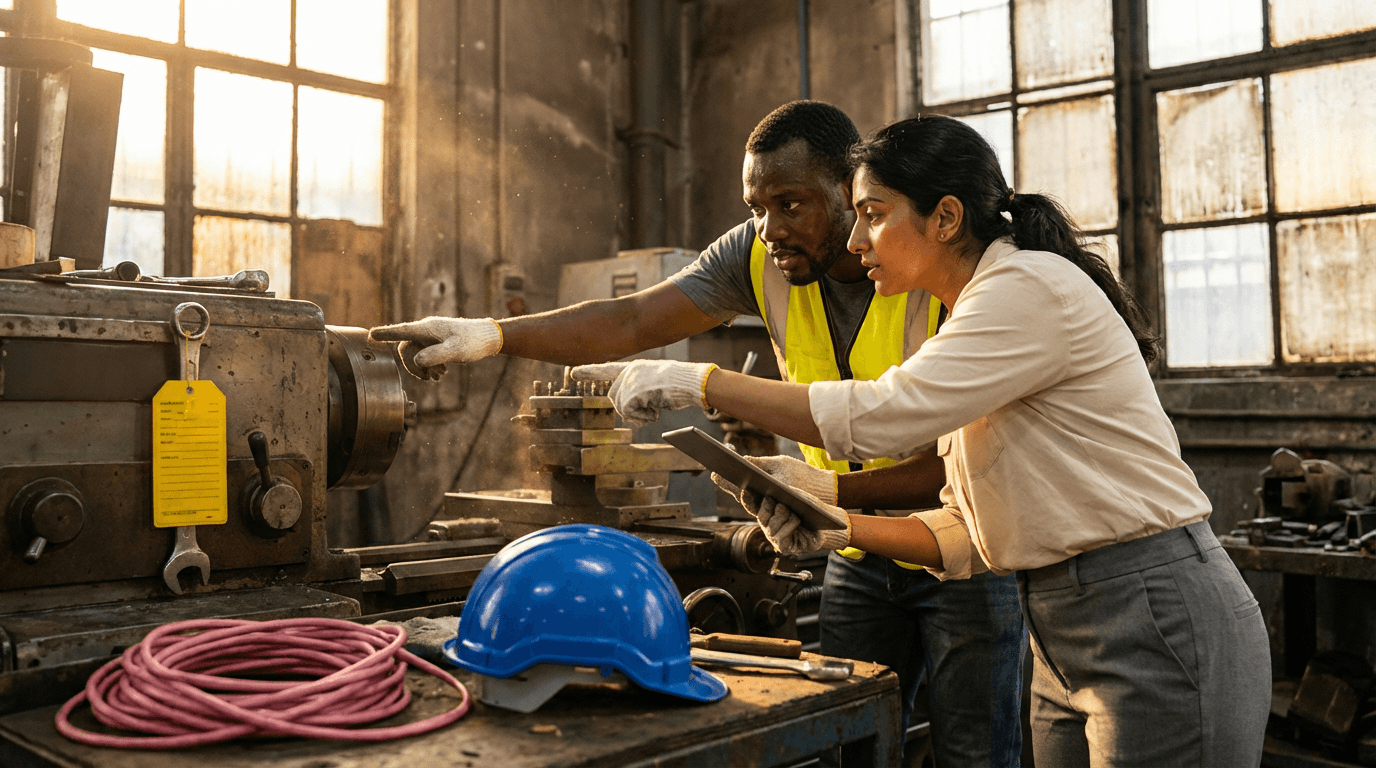
This Industrial Safety Course provides focused, practical training to help you identify hazards in metal fabrication, apply the hierarchy of controls, and put in place clear procedures for hot work, machine guarding, chemical handling, and PPE. Learn how to create effective training, toolbox talks, and risk assessments, carry out inspections and audits, and promote continuous improvement using simple, high-impact tools.
Elevify advantages
Develop skills
- Industrial hazard recognition: spot fire, chemical and ergonomic risks fast.
- Practical safety procedures: apply LOTO, hot work and machine guarding correctly.
- PPE and control selection: choose effective gear and controls for each task.
- Safety training design: build clear, engaging toolbox talks and brief sessions.
- Risk assessment in fabrication: rate hazards, prioritize controls and document.
Suggested summary
Before starting, you can change the chapters and workload. Choose which chapter to start with. Add or remove chapters. Increase or decrease the course workload.What our students say
As suas aulas são perfeitas. Adquiri o pacote de um ano e, finalmente, tenho a oportunidade de acompanhar diversos temas do meu interesse sem precisar mudar de plataforma... agradeço por tudo o que fazem, já recomendei vocês a outras pessoas...

Giulio CarloAluno de Marketing Digital
Eu gosto de como as lições são direto ao ponto e como eu consigo alterar capítulos e pular conteúdos que não preciso.

Mariana FerresAluna de Fotografia
Gosto do conteúdo e do modo de apresentação e transcrição de vídeos, o que acelera o processo!

Luciana AlvarengaAluna de Design de Unhas
A plataforma é rápida, simples de usar. A diversidade de conteúdo e os vídeos complementares ajudam muito no aprendizado.

Giulio CarloAluno de Engenharia de Prompt
FAQ
Who is Elevify? How does it work?
Do the courses have certificates?
Are the courses free?
What is the course workload?
What are the courses like?
How do the courses work?
What is the duration of the courses?
What is the cost or price of the courses?
What is an online course and how does it work?
PDF Course