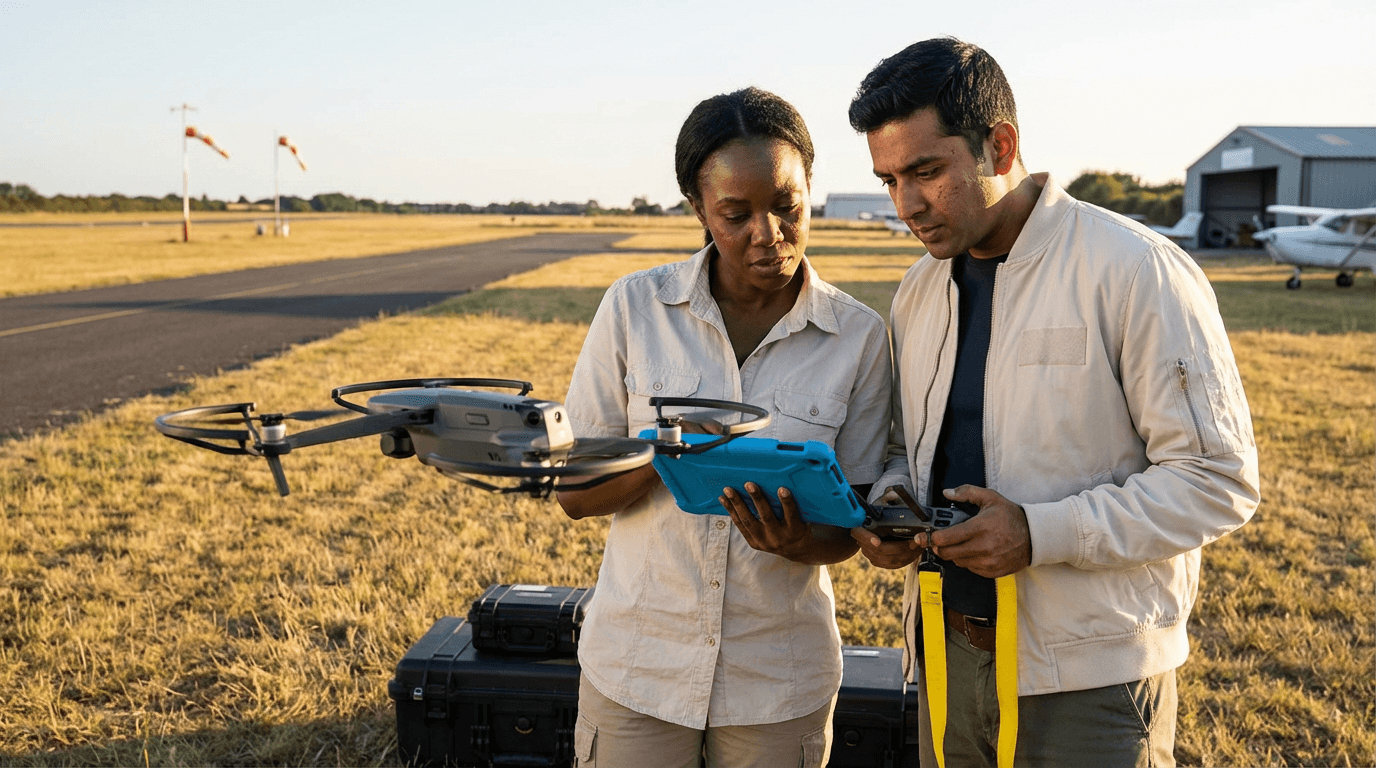
Lesson 1International and national aviation authorities: roles and primary guidance documents (ICAO, FAA, EASA, Transport Canada, CAA UK)This section introduces international and national aviation authorities that regulate drones, with a focus on Canada. You will learn their roles, key guidance documents, and how ICAO standards influence Transport Canada, FAA, EASA, and other regional frameworks.
Role of ICAO and relevant UAS standardsOverview of FAA structure and UAS guidanceEASA framework and implementing rules for UASTransport Canada and Canadian RPAS regulationsCAA UK guidance and CAP documents for dronesComparing terminology across major authoritiesLesson 2Insurance, liability, and privacy law overview: minimum coverages, client contracts, data protection and consent requirementsThis section covers insurance, liability, and privacy rules for drone work in Canada. You will learn about minimum coverages, contract clauses, data protection duties under PIPEDA, and how to obtain consent when filming people or private property.
Types of drone insurance and key policy termsMinimum coverages for typical commercial jobsIndemnity, limitation of liability, and warrantiesPrivacy expectations in public and private spacesConsent, model releases, and client permissionsData retention, storage, and secure sharing practicesLesson 3Pilot licensing requirements: types of certificates, knowledge exams, recurrent training, medical/fitness standardsThis section explains pilot licensing requirements for commercial RPAS in Canada. You will learn certificate types from Transport Canada, exam topics, recurrent training needs, and how medical or fitness standards affect your ability to keep operating.
Types of commercial RPAS certificates and ratingsEligibility, age, and identification requirementsKnowledge exam topics and study resourcesPractical skills checks and proficiency standardsRecurrent training and renewal obligationsMedical fitness, self assessment, and reportingLesson 4Local restrictions and landowner permissions: municipal bylaws, critical infrastructure, prisons, hospitals, schoolsThis section explains local restrictions and landowner permissions that affect drone flights in Canada. You will learn how to research municipal bylaws, handle critical sites, and obtain written approval from property owners or facility managers.
Researching municipal bylaws and local ordinancesFlying near critical infrastructure and utilitiesRestrictions around prisons and law enforcement sitesHospitals, heliports, and emergency operationsOperations near schools, parks, and playgroundsRequesting and documenting landowner permissionLesson 5Restricted and controlled airspace: class definitions, NOTAMs, TFRs, Temporary Flight Restrictions and how to check themThis section explains controlled and restricted airspace in Canada, including classes, NOTAMs, and TFRs. You will learn how to identify limits, read official notices from NAV CANADA, and verify current restrictions before each commercial flight.
Airspace class categories and basic characteristicsSpecial use airspace and prohibited areasWhat NOTAMs are and why they matterFinding and reading NOTAM details for RPASUnderstanding TFRs and common drone impactsPreflight workflow to confirm current restrictionsLesson 6How to obtain special authorizations and waivers: application process, documentation required, typical timelinesThis section explains how to obtain special authorizations and waivers from Transport Canada. You will learn application steps, required documentation, safety cases, and how to manage timelines and conditions once approval is granted.
When waivers or special approvals are requiredGathering operational data to support requestsWriting a safety case and risk mitigation planCompleting online waiver application formsTypical review timelines and follow up actionsComplying with waiver conditions and recordkeepingLesson 7Drone registration requirements: thresholds, marking, renewal, transfer rulesThis section details drone registration rules in Canada, including weight thresholds, marking, renewals, and transfers. You will learn how to register fleets correctly with Transport Canada, label aircraft, and keep records aligned with legal requirements.
Weight and use thresholds that trigger registrationOnline registration portals and required dataAssigning registration numbers to each aircraftMarking and labeling drones for identificationRenewal schedules and updating registration dataTransferring ownership and deregistering dronesLesson 8Operational limitations: maximum altitude, VLOS/EVLOS rules, night operations, BVLOS basics and waiversThis section covers core operational limits for commercial drones in Canada. You will study maximum altitude, VLOS and EVLOS rules, night operations, and BVLOS basics, including when waivers or special approvals from Transport Canada are required.
Maximum altitude and distance limitationsVLOS and EVLOS definitions and best practicesNight operations: lighting and extra precautionsWeather minima and visibility considerationsPeople, property, and congestion separation rulesBVLOS concepts and when waivers are neededLesson 9How to find and interpret your country/region’s Part/Rule for commercial UAS operations (search strategies and official sources)This section shows how to locate and interpret Canada’s main RPAS rule, such as the Canadian Aviation Regulations Part IX. You will practice search strategies, using official Transport Canada sources, and tracking amendments that affect operations.
Identifying the primary RPAS regulation in CanadaUsing official aviation authority rule databasesReading definitions, applicability, and scope sectionsLocating operating rules, pilot duties, and limitsTracking amendments, advisory circulars, and FAQsBuilding a personal reference library of key rulesLesson 10Sources and tools for airspace checks: official maps, aviation apps, UAS geofencing portals, and NOTAM servicesThis section presents tools and sources for checking airspace before flight in Canada. You will compare official NAV CANADA charts, aviation apps, RPAS portals, and NOTAM services, and build a repeatable workflow for safe commercial planning.
Official aeronautical charts and RPAS mapsGovernment RPAS portals and web map servicesUsing aviation and EFB apps for drone planningNOTAM and TFR alert services and subscriptionsManufacturer geofencing maps and unlock toolsStandardized preflight airspace check checklist