Dairy Cheesemaker Course
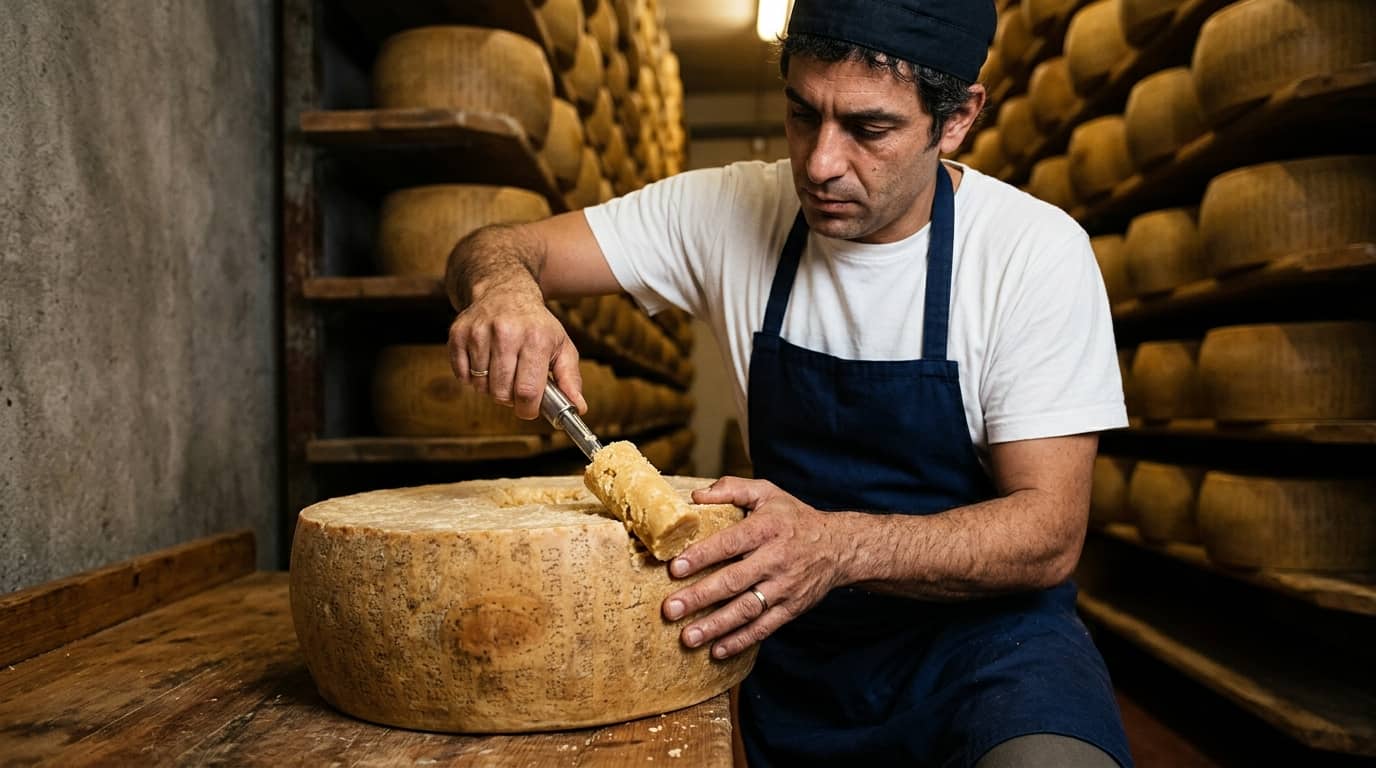
Master every stage of professional cheesemaking, from sourcing quality milk to ageing finished wheels. This comprehensive course covers dairy science, food safety, production techniques, and creamery business operations. Whether you are launching an artisan creamery or advancing your dairy career, you will gain the hands-on knowledge to produce exceptional cheese with confidence.
from 4 to 360h flexible workload
valid certificate in your country
What will I learn?
You will build a complete foundation in milk composition, microbiology, and the science behind coagulation and acidification. You will learn to work with starter cultures, rennet types, and curd-handling techniques across fresh, semi-hard, hard, and blue cheese styles. The course covers salting, pressing, moulding, and affinage, including rind development and ageing room management. You will also study HACCP protocols, regulatory compliance, and sanitation procedures required in a licensed dairy facility. Sensory evaluation, yield calculation, and defect analysis round out your quality control skill set. Business topics including pricing, production scheduling, and sales channels prepare you to operate a profitable creamery.
Elevify advantages
Develop skills
- Milk Sourcing and Grading: Evaluate raw milk quality using industry-standard grading criteria.
- Starter Culture Management: Select, handle, and troubleshoot cultures for precise acidification control.
- Affinage and Cave Management: Design ageing programmes that develop consistent rind and flavour profiles.
- Quality Control Testing: Run lab tests and sensory evaluations to identify and correct cheese defects.
Suggested summary
Before starting, you can change the chapters and the workload. Choose which chapter to start with. Add or remove chapters. Increase or decrease the course workload.What our students say
Your lessons are perfect. I purchased the one-year package and finally have the opportunity to follow various topics of interest without needing to change platforms... I thank you for everything you do, I've already recommended you to other people...

Giulio CarloDigital Marketing Student
I like how the lessons are straight to the point and how I can change chapters and skip content I don't need.

Mariana FerresPhotography Student
I like the content and the way videos are presented and transcribed, which speeds up the process!

Luciana AlvarengaNail Design Student
The platform is fast, simple to use. The diversity of content and complementary videos really help with learning.

André FelipePrompt Engineering Student
FAQ
Who is Elevify? How does it work?
Do the courses have certificates?
Are the courses free?
What is the course duration?
What are the courses like?
How do the courses work?
What is the duration of the courses?
What is the cost or price of the courses?
What is an EAD or online course and how does it work?
PDF Course